Dice, Drama & Zero Wi-Fi Required: How Board Games Staged the Comeback of the Century
Somewhere between your third hour of doomscrolling and your forty-seventh unskippable ad, something weird happened in America. People started pulling dusty boxes out of closets. They blew the cobwebs off game boards, argued passionately about whether Monopoly should be banned from family gatherings (it should), and rediscovered the ancient, beautiful chaos of sitting around a table with other humans.
Board games are back, baby. Not in a "oh cute, a trend" kind of way — in a full-on, industry-reshaping, hobby-store-lines-out-the-door kind of way. And honestly? It makes total sense.
The Numbers Don't Lie (And Neither Does Your Game Shelf)
Let's talk cold, hard cardboard facts. The global board game market was valued at roughly $3.1 billion in 2023 and is projected to keep climbing well past $4 billion by the end of the decade. In the US alone, specialty hobby retailers reported double-digit sales growth in the years following 2020, and that momentum hasn't quit. Kickstarter's tabletop gaming category has raised over a billion dollars in total funding — yes, billion with a B — making it one of the platform's most consistently explosive verticals.
Walmart expanded its board game aisle. Target dedicated end caps to hobby-level games. Barnes & Noble, of all places, transformed chunks of its retail floor into tabletop wonderlands. Even Amazon algorithms started aggressively pushing Catan expansions on people who had only ever Googled "fun things to do on a Friday."
The cardboard uprising is real, and it's got receipts.
Screen Fatigue Is Very, Very Real
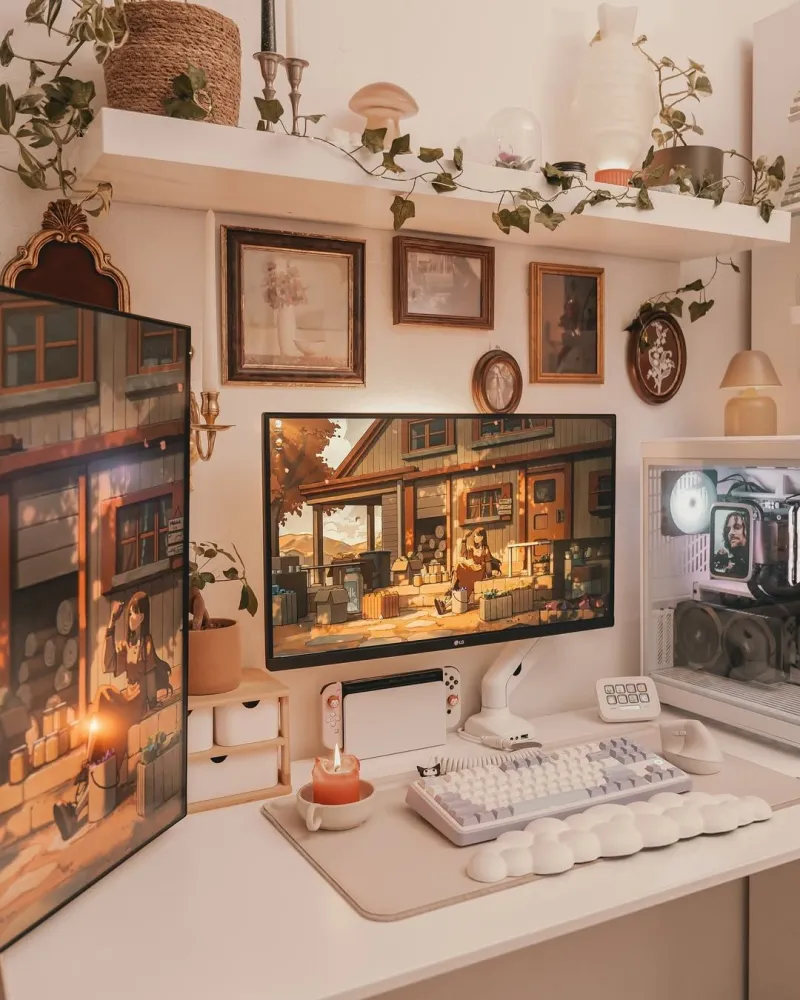
Here's the thing nobody in Silicon Valley wants to admit: staring at screens all day, every day, for work, entertainment, social connection, news, shopping, and everything else has made a lot of Americans genuinely tired of screens. Like, bone-deep tired.
When the only difference between your job and your hobby is which app you have open, the appeal of something physical — something you can touch, shuffle, stack, and dramatically flip off a table when you lose — becomes almost medicinal.
Tabletop gaming offers what psychologists call "tangible engagement." There's a texture to it. The satisfying riffle of a card deck. The clunk of a wooden token landing on a space. The specific, unrepeatable chaos of watching someone roll a critical failure at the worst possible moment. These sensory details create memories in ways that a loading screen simply cannot.
"There's something about holding the pieces," says Marcus, a 34-year-old software developer from Austin who hosts a weekly game night for eight friends. "I'm on a computer all day. The last thing I want is more clicking. But put a deck of cards in my hands and I'm completely present in a way I haven't been since I was a kid."
Present. That word keeps coming up.
The Social Layer That Apps Keep Trying to Fake
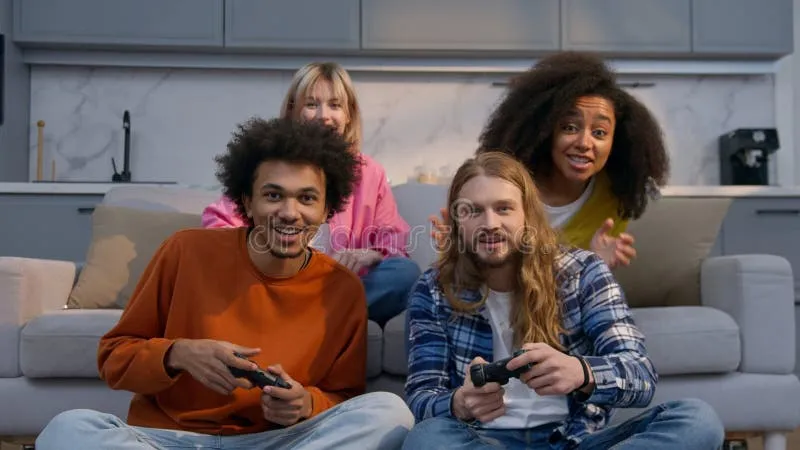
Here's what no multiplayer lobby can fully replicate: the moment your friend slams their hand on the table and shouts "YOU ABSOLUTE TRAITOR" because you played a betrayal card in Betrayal at House on the Hill. The eye contact. The laughter. The groaning. The shared physical space.
Digital gaming is phenomenal for a lot of things — stunning graphics, global matchmaking, convenience at 2 a.m. — but it routes social interaction through a layer of technology that inevitably filters some of the rawness out. Voice chat is great. But it's not the same as watching someone's face crumble in real time when you steal their last resource in Catan.
Board games are, at their core, social engineering disguised as entertainment. They create structured excuses for people to gather, compete, cooperate, bluff, and occasionally question each other's character in hilarious ways. In an era when Americans report record levels of loneliness, that structure isn't just fun — it's genuinely valuable.
Game nights have become the new dinner parties. Except with more dice and less pressure to cook something impressive.
The Games Themselves Got Way Better
It also helps that modern board games are, objectively, extraordinary. The golden age of tabletop design has produced experiences that rival the best video games in terms of depth, narrative, and replayability.
Games like Gloomhaven — a dungeon-crawling behemoth that once topped BoardGameGeek's rankings — offer campaign experiences that rival RPG video games. Pandemic turned cooperative play into a mainstream concept. Wingspan made bird-watching into one of the most elegant strategy games ever designed. Codenames became a party staple across every demographic from college students to grandparents.
Designers stopped making games that felt like homework and started making games that felt like stories you got to live inside. The result? A hobby that finally has something for literally everyone, regardless of how competitive, casual, creative, or chaotic you want your Friday night to be.
Why Rolling a Die Still Feels Like Magic
There's a reason casinos still use physical dice and spinning wheels even when they could theoretically run everything digitally. The physicality of chance carries psychological weight that a random number generator simply doesn't. When you roll dice, you threw them. Your hand launched that outcome into the universe. The result feels earned, or cursed, or cosmically hilarious in a way that a digital roll-result animation just doesn't replicate.
Tabletop gaming taps into something primal about play — the kind that existed long before electricity, before screens, before any of it. Humans have been rolling bones and moving tokens across boards for thousands of years. We're not abandoning that instinct. We're rediscovering it.
And if the numbers are any indication, we're rediscovering it with enormous enthusiasm, one dramatically overturned game board at a time.
So dust off that Settlers of Catan box. Text your people. Clear the coffee table. The digital world will still be there tomorrow — and honestly, it can wait.